
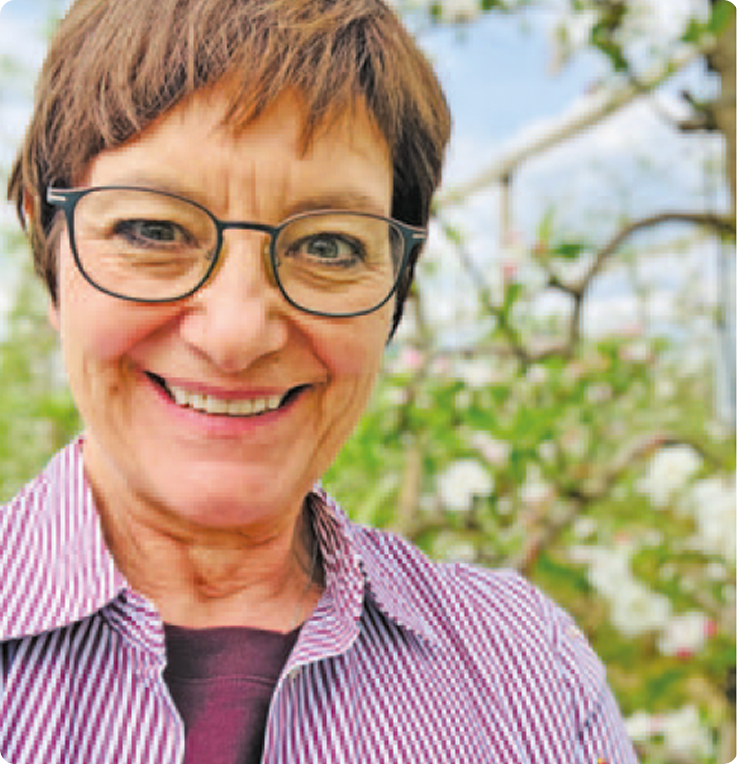
One of the latest advances in ag tech are advanced biosensors able to accurately track plant health in the field to help growers fine-tune their potato production strategies. Heather Briggs speaks to Carrol Plummer, founder of Vivent Biosignals, a company which has developed biosensors that track the communications within plants as part of their response to biotic and abiotic stressors. The company works with a number of different crops, including potatoes, berries, top fruit and vines.
Carrol says: “We know that plants are constantly sensing and responding to their environment, and as soon as subtle changes happen, plants generate tiny electrical signals created by cellular changes in the roots and foliage. We can now detect, capture and analyse these signals in real time, so we better understand how a plant is feeling, often long before any visual symptoms appear.”
Nutrient deficiencies, too much or too little water, insect pressure, nematodes, and diseases such as mildew can all create plant stress, which impacts growth and development. In addition, when used in potato stores, the biosensors provide two to three weeks’ notice of when 20 percent of potatoes will sprout.
Rather than taking a measurement from one moment in time, which may cause abnormal readings if
there has been a sudden weather event such as heavy rainfall, the sensor works constantly and the data is available immediately, she explains.
Understanding crop nutrition needs at the different growth stages is important, yet one of the challenges growers still have to face is that even when nutrients are in the soil, they are not necessarily up taken by the plant. This can cause deficiencies and therefore create plant stress.
“After seeing the data, the grower can then take measures to detect which nutrients are lacking and ensure a more balanced supply. On the other hand, if the plant has absorbed sufficient nutrients, there may be no need to apply a top dressing, and the grower can save money on inputs.
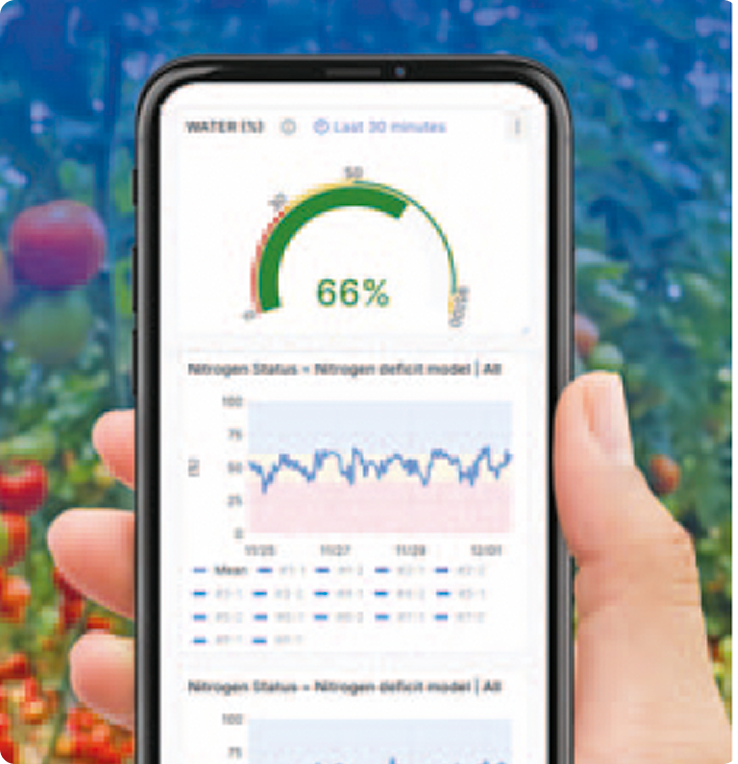
“Potato growers using biosensors in 2024 reported that, after having nutritional stress detected, they changed the ratios of N, P, K and micronutrients in 2025 and saw more uniform potato sizes and increased yields.”
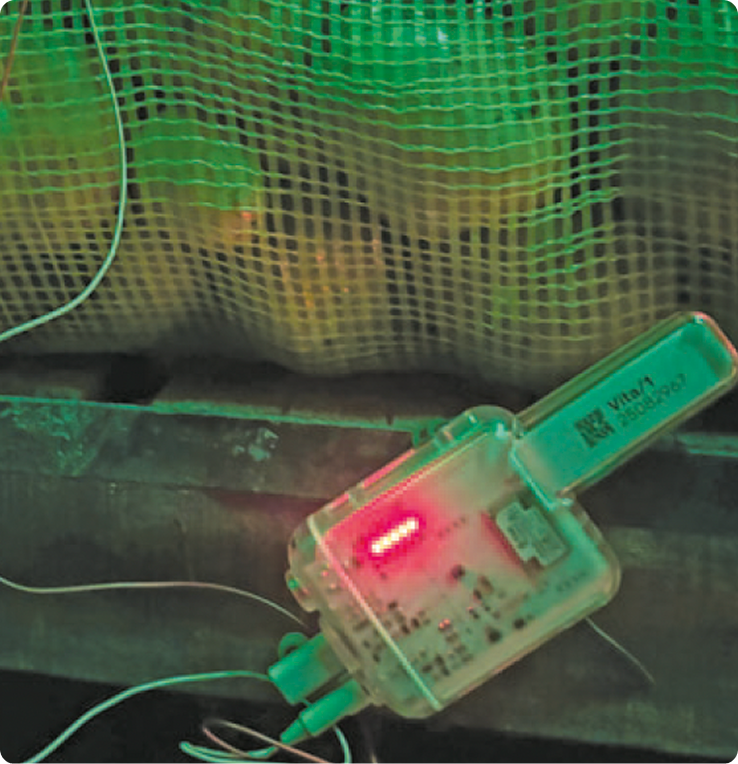
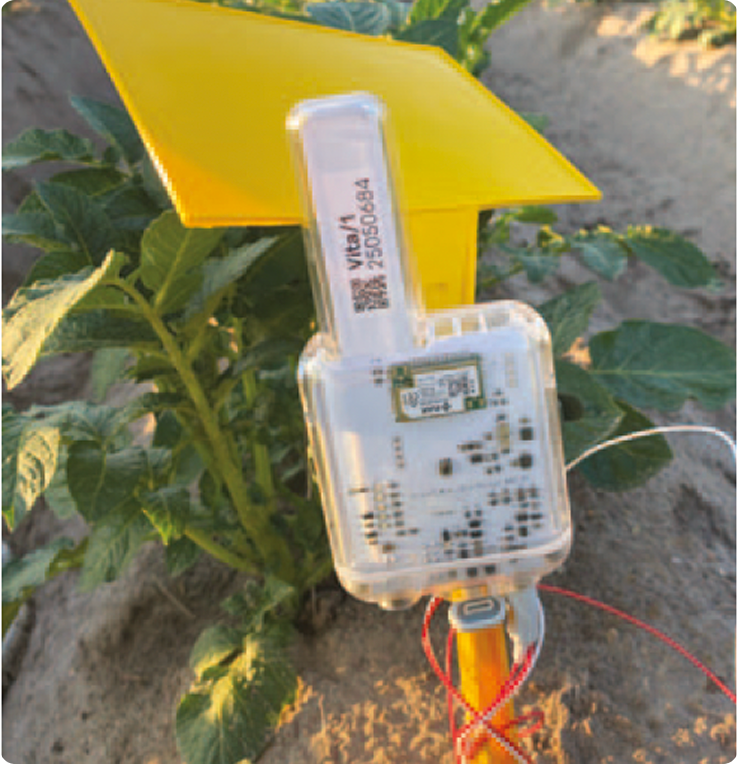
When working with field crops such as potatoes, eight sensors are placed in each field to ensure a representative sample, she explains. “While other types of sensors measure the environment around the potato, Vivent’s biosensors detects changes within the plant itself.” While some pathogens create a strong response in the plant, others, such as aphids, create a more nuanced signal.
The company is currently working on detection signals given off by some of the pests which affect potato crops, such as PCN and late blight (Phytophthora infestans). “We have found that late blight creates a strong signal when in a protected environment, and this will shortly be tested in the field.”
Because of the way they work, the sensors can provide a useful tool for on-farm assessments, such as evaluating response to fertilisers, crop treatments, irrigation regimes and/or comparing responses from resistant varieties, adds Carrol.
“Many growers remain sceptical about the effects and consistent results when biostimulants and biologicals are used, and the biosensors are very useful for quantifying their efficacy. Our aim is to bring the grower closer to the plants themselves, so they can use this data to see how a plant is responding to a particular environment and take any necessary steps before yield and quality are affected. Data-driven farming ultimately will help to optimise operations and costs, as well as minimising the environmental footprint of growing crops.”

Source: The Vegetable Farmer
Author: Heather Briggs
June 2026