
Mechanical damage and herbivory trigger rapid electrical and chemical responses in plants—but how these signals behave in real crops is still being uncovered.
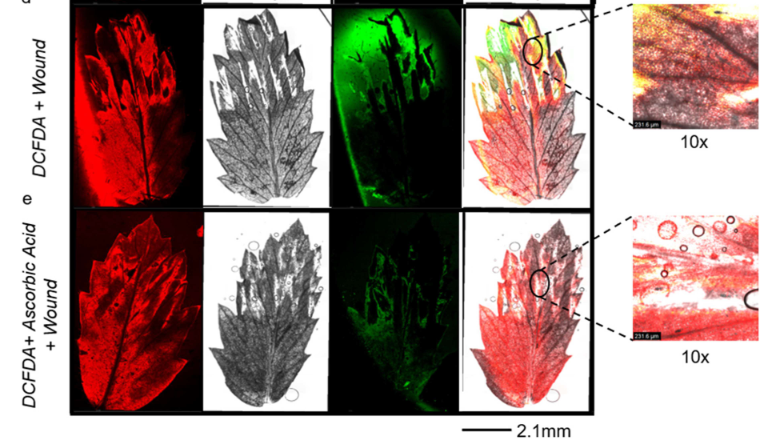
A newly published study on chickpea (Cicer arietinum) shows how wound-induced electrical signals (slow wave potentials) are closely linked to reactive oxygen species (ROS) and jasmonic acid–related defense pathways. The work demonstrates that these electrical signals differ between pest-susceptible and tolerant varieties, and that ROS plays a critical role in signal generation and propagation. Vivent would like to congratulate Dr Archana Kumari and her co-authors on their latest publication.
Why this matters
The study proposes plant electrical signals as a rapid, non-invasive way to screen crop varieties for pest tolerance—opening the door to faster phenotyping, better breeding decisions, and improved crop protection strategies.
At Vivent, this research strongly aligns with our mission: making plant signals measurable and actionable, directly from the plant, in real time.
Download the research paper here!
Complete the form and receive the research paper instantly.