- AI-Powered Plant Biosensors
- Trusted by partners worldwide
- Detect stress before symptoms appear
- 24/7 real-time crop monitoring
- Plant-driven growing
- Higher yields, lower inputs
Van Schie prevents leaf damage and saves 30% energy using plant data
Van Schie has built a reputation over 40 years as a specialist in potted lilies. What started as 500 m² of potted lilies has grown over the years into 5 hectares. In 2018, the product range was expanded with Chrysanne®, high-end potted chrysanthemums for the premium segment.
MyLedgnd is a data platform for greenhouse horticulture, developed by the Dutch company Ledgnd. The system combines data from climate computers, sensors, and plant feedback into a single, user-friendly dashboard.

“You’ve been growing based on intuition and experience for years, so it’s quite exciting and a bit daunting to let go of that and start truly steering based on data.”
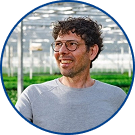
Marcel van Voort, Van Schie

During the winter period, it proved difficult to consistently achieve the desired top quality for Van Schie. Despite a stable cultivation strategy, leaf damage developed on the lower part of the plant, leading to reduced quality and increased variability in the final product.
In 2025, a deliberate shift was made to let plant data lead all cultivation decisions. Based on continuous insights from the MyLedgnd platform by Ledgnd, climate strategies were adjusted to better match plant needs. Temperatures were reduced relative to available light levels, humidity corrections were applied more cautiously, and overall the crop was given more physiological rest. As a result, structural leaf damage during the winter period was eliminated.
By combining climate and operational data from Ledgnd with plant feedback signals from Vivent Biosignals, Van Schie gained a much clearer understanding of how the plant responds to light, climate, and steering interventions in real time.
Beyond quality improvements, the data-driven approach also delivered a significant efficiency gain. Energy consumption was reduced by 30%, driven by less intensive use of heating and ventilation systems and fewer unnecessary climate corrections.
By avoiding over-control, energy was only used when the plant could actually respond. As a result, cultivation became not only more stable and predictable, but also considerably more energy efficient.
Vivent Biosignals plant sensors continuously measure the biosignals in the plant, which are directly linked to physiological activity and stress responses. This moves decision-making beyond assumptions, so instead of interpreting what the climate might be doing, you can quantify what it is actually doing to the plant. That makes plant needs visible in real time and allows for earlier, more precise interventions.
Why it matters
Beyond operational improvements, the real value lies in turning plant-level signals into measurable evidence of crop response, allowing Morao to validate management decisions in real time. This shift from intuition to quantification strengthens both agronomic control and long-term productivity in protected blueberry cultivation.
Plants know best — and now they can show it.
“The information is available immediately, allowing you to see exactly what is happening with the plants in real time, process the data, and make the necessary adjustments.”
Marao Arándanos
Fill out the form below or book a meeting directly with one of our team members!
